
Why modern Marketing has changed
Think about the last time you were watching a video and an unskippable ad popped up right at the climax. Or the last time a telemarketer called you during dinner. How did you feel? Irritated? Skeptical? Did you immediately want to buy what they were selling, or did you just want them to go away?
In today’s world, buyers have all the power. They are skeptical, jaded, and more knowledgeable than ever before. With a single click, they can find your competitors, read your reviews, and block your ads. As Dharmesh Shah, CTO of HubSpot, puts it: we now have the tools to block out the noise. Because of this, the old "outbound" way of shouting at people is losing its touch.
The alternative? Inbound Marketing.
What exactly is Inbound Marketing?
If outbound marketing is a megaphone, inbound marketing is a magnet.
Check out our products
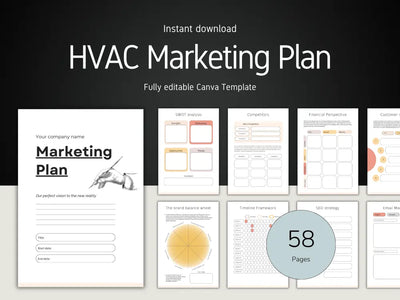
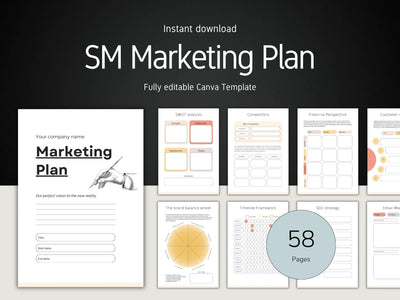
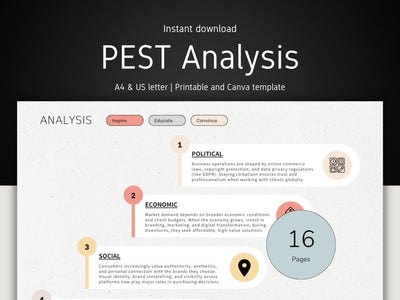
Inbound is a non-invasive strategy based on providing value before you ever ask for a sale. It’s often called "Permission Marketing" because it’s marketing that your customers actually ask for or seek out.
The beauty of inbound is that it makes the customer feel served rather than sold. When a customer finds you on their own terms, their guard drops. They don’t feel pressured; they feel empowered. It’s the difference between being chased down the street by a salesman and finding a helpful guide exactly when you’re lost.

The 4 stages of the Inbound methodology
Inbound isn't just "posting on social media." It is a highly strategic, four-stage journey designed to turn a total stranger into your brand's biggest fan:
-
You use "educational" or "entertaining" content like blog articles, social media videos, or SEO-optimized guides to draw the right people to your site.
-
Once they arrive, you offer them something even more valuable (like an ebook or a podcast) in exchange for their contact info. Now, they are a lead.
-
Using marketing automation and lead nurturing, you provide the specific information they need to feel confident in making a purchase.
-
Inbound doesn't end with a sale. By continuing to support the customer, you turn them into a loyal advocate who promotes your brand for you.
The "Magic trick" of Inbound
Marketing strategist Adam Erhart compares inbound to a magic trick. In magic, a professional uses the "power of suggestion" to make an audience member pick a specific card. The audience member feels they chose that card of their own free will, which makes the experience exciting and memorable.
Inbound works the same way. It is no less planned or coordinated than an expensive TV ad, but from the customer's perspective, it feels natural and authentic. You aren't shoving a card in their face; you are creating something so awesome that they want to pick it up.
Check out differences between Inbound and Outbound
Why the "How" is more important than the "What"
In the modern economy, having the "best" product isn't enough. It’s about the experience.
-
Spotify didn't just sell music; they created a service that learns from you
-
Amazon disrupted everything by making buying more convenient
-
Uber didn't invent the car ride; they perfected the service model
The companies that thrive today leverage data to create a delightful, end-to-end experience from the moment a lead finds a blog post to the moment they receive customer service.
How much does Inbound Marketing cost?
One of the biggest misconceptions about inbound marketing is that because it is "organic," it is free. In reality, inbound marketing requires a significant investment of time, talent, and technology. Unlike outbound marketing, where you pay for a specific number of impressions or clicks (like a billboard or a Facebook ad), inbound costs are front-loaded into content creation and strategy.
Depending on the scale of your business, costs typically break down into three areas:
-
Software: Tools for CRM and marketing automation can range from $20/month for starters to over $800/month for professional-grade platforms.
-
Content production: High-quality blog posts, SEO-optimized videos, and technical whitepapers require skilled creators.
-
Time: As mentioned in the scripts, inbound is a "long game" that requires consistent effort to build authority with search engines and AI tools.
The ROI of Inbound: An investment, not an expense
While outbound is a recurring expense for temporary attention, inbound is a long-term investment. By building content assets that live forever, businesses typically see a 61% lower cost-per-lead compared to traditional methods. Because you are "serving" rather than "selling," you aren't just buying clicks, you're building compounding authority and trust that lowers acquisition costs over time.
The three pillars of a "lovable" strategy
To truly "be inbound," your business must adopt a specific state of mind built on three pillars:
1. Be human
Treat people as individuals, not just numbers in a database. Buyers want conversations with brands, not to be talked at.
2. Be helpful
The goal is to solve for the customer’s success. If your customers grow, your business grows. This means being helpful during every single interaction they have with you, even before they pay you a cent.
3. Be holistic
Inbound isn't just a "marketing thing." If your marketing is helpful but your sales process is aggressive, the friction will kill your growth. Every department must align to provide a consistent, empathetic experience.
Premium Digital Templates
Strategic marketing isn't about doing more; it’s about doing the right things in the right order
Get your Marketing Plan Template →Don't be fooled: Inbound is hard work
Just because inbound feels "natural" to the customer doesn't mean it’s easy for the business. In fact, it often requires more effort than outbound.
To succeed, you have to do the heavy lifting behind the scenes:
-
Keyword research: To make sure there is demand for what you’re creating.
-
High-quality production: Creating content that is actually useful, relevant, and entertaining.
-
Technical SEO: Ensuring search engines (and AI tools) can find and rank your information so you are there when the customer searches for a solution.
The CraftedCharts guide to effective Inbound Marketing
At CraftedCharts, we have transformed our growth strategy by moving away from cold outreach and focusing entirely on building a "magnet" for our ideal customers. Our approach is built on a foundation of deep keyword research to understand the exact pain points our audience faces, combined with an obsessive focus on technical SEO to ensure we are always visible in search results.
We maintain a high-quality blog that serves as our primary educational hub, and we supplement this with a multi-channel content strategy across TikTok, X, and Instagram. By leveraging automated tools to handle our social media scheduling, we are able to stay consistent across platforms, even though we see varying levels of engagement depending on the channel. This strategy has already paid off: since shifting to this model, we have seen a 300% increase in organic traffic and a 45% boost in qualified leads (years 2025-2026).
However, we hit a wall at the end of 2025 when our heavy reliance on automation backfired; our social media presence became too mechanical and "bot-like," leading to a noticeable drop in authentic engagement that forced us to pull back and re-introduce a more human, hands-on touch to our posts.
The bottom line
Inbound marketing is about giving value before you extract it. It’s about realizing that 95% of your market might not be ready to buy today, so you build trust with them now so you are the only choice they consider tomorrow.
Stop interrupting what people are interested in and be what they are interested in. When you support the buyer’s process instead of forcing your own, you transform your business from a vendor into a valued partner.
Ready to start? Pick one platform where your customers hang out and commit to being the most helpful person there.


