
A profession that probably didn’t exist in the past
Choosing a career path enters our lives relatively early. Even during our school years, family and peers ask us the same recurring questions: "What do you want to be when you grow up?" Some of us answer without a moment's hesitation, while for others, it becomes a question that lingers for hours or even a lifetime. Who do I really want to become? Where could I work?
While many people navigate life shifts on their own, a career coach acts as a partner who can help you discover and achieve your desired professional outcomes. They are the ones who stand between us and the answers to the questions: Who could I become, where would I like to work, and how can I actually make it happen?"
Who exactly is a career coach?
Depending on the scope of their work and services, a career coach is a specialist who helps individuals make informed decisions regarding their career path, professional skill development, and the achievement of goals primarily related to work.
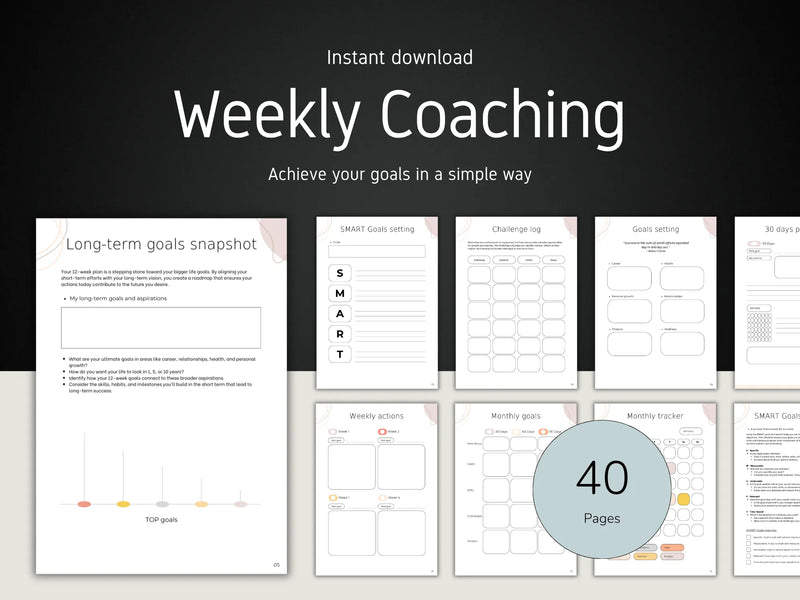
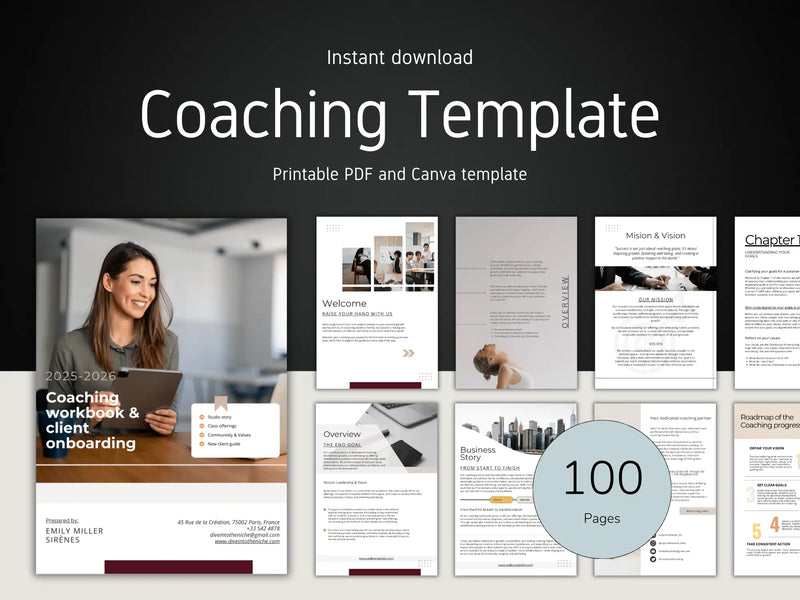
Although vocational guidance has existed since the beginning of the 20th century, modern coaching as a profession was born in the 1980s, thanks to pioneers such as Thomas Leonard (founder of Coach University).
The greatest "boom," the period when coaching became highly popular, occurred during the COVID-19 pandemic and the resulting changes in work models (hybrid and remote work, and the "Great Resignation"). The demand for support in career planning and maintaining work-life balance became massive. Consequently, coaching ceased to be viewed merely as a "last resort" in a crisis and began to be perceived as a standard for fostering professional development.
What are the main tasks of a career coach?
The primary tasks of a coach include:
-
Assisting with career path selection or professional transitions;
-
Identifying strengths, talents, and personal values;
-
Defining professional goals and creating a roadmap for their realization;
-
Preparing resumes (CVs), cover letters, and LinkedIn profiles;
-
Coaching for job interviews;
-
Providing support in salary negotiations and professional growth;
-
Helping to build self-confidence and manage professional challenges.
In short, a career coach acts as a strategic partner, combining professional assessment of a client's potential with practical support at every stage, from planning a career transition and preparing application documents to building self-confidence.
Career coach vs career counselor
Although both terms sound similar, there is a subtle difference between them:
-
Career coach focuses primarily on professional development, achieving goals, and planning the next steps in an individual's career. They frequently work with people who are already active in the workforce.
-
Through a series of powerful, targeted questions, a coach helps you uncover: your natural strenghts, past successes, future desires. “Career coaches like me focus on strengths and experiences and on the market to create a practical path forward…If she has no clue what she wants to do next, I’m probably not the right person for her”. Renata Bernarde - Carrer coach
-
Career counselors more frequently specialize in educational and vocational guidance. They utilize diagnostic tools and assist in choosing a profession or a field of study, helping individuals discover their personal predispositions.
Choosing the right professional development support often depends on what you need most at a given moment. Although there are many types of guidance available on the market, it is worth understanding the differences between them:
| Role | What they do |
| Career Coach | Asks questions to help you find the best career path. |
| Mentor | Shares their personal story and tells you what worked for them. |
| Consultant | Analyzes a specific problem and gives you a direct solution. |
| Therapist | Focuses on healing past issues to improve your current mental health. |
When should you see a career coach?
There is no single, definitive answer as to when you should see a career coach. It is best to reach out to a specialist when the need for change or growth arises, or even when you are simply facing a 'fear of the unknown.' However, it is important to keep a key distinction in mind: if you feel that the main barrier to your career development stems from trauma or deep psychological issues, a therapist who focuses on healing would be a better choice.
Statistics show that most professionals change industries or roles every five to ten years. Interestingly, the highest professional mobility is found among people aged 20–34, as this is the period in life when individuals most frequently acquire new qualifications or change fields entirely. After the age of 45, decisions to change careers become significantly less frequent or more deliberate, often driven by a need for greater professional satisfaction.
These transition periods are exactly when a coach can help us determine the most logical next step, based on both market strategy and personal fulfillment.
What does a career coach actually do?
It is estimated that approximately 60-70% of the jobs performed today did not exist in 1940. This means that most of us work in professions that, in our great-grandparents' time, were either physically impossible or completely unnecessary. Back then, work was largely confined to agriculture, skilled trades, or heavy industry; today, we operate in a world where roles like Cloud Systems Architect, Data Scientist, or AI Specialist are commonplace.
Currently, it is difficult to keep up with the changes happening around us, the emerging job opportunities we have no idea about, and professions that would never have crossed our minds like. Have you heard about working as Chief Happiness Officer?
The role of a coach now is not only to guide us onto the right career path but also to introduce us to the surrounding world, the types of work, solutions, and methods of development that we may not have even heard of, but which could become our new, fulfilling future.
A coach's task is to change your perspective.
In a world where we spend approximately 90,000 hours of our lives at work, a career coach can become our essential advisor, someone who doesn’t just tell you what you can or should do, but truly listens to what you need. This person specializes in cutting through the noise of doubt and anxiety to highlight your skills, values, and strengths. Whether your plan is to re-enter the workforce, make a complete career pivot at 50, or you have simply hit a 'glass ceiling' in your current role, a coach can provide the new perspective and motivation you need to take action.
The multifaceted role of a career coach
Although many people may downplay the role of a coach, professionals in this field are capable of blending a vast number of aspects in their work: psychological support combined with practical knowledge. A coach should not only ask "obvious" questions about what you enjoy doing or what you would do if money were no object, but rather help you translate those answers into concrete steps for action.
Their work typically includes:
-
Building self-confidence and overcoming pre-set "milestones"
-
Personal branding
-
Refining interview techniques
-
Skill identification
The power of psychographic profiling
One of the most effective tools used by coaches is psychographic profiling. Although the term itself may sound complicated, it simply refers to creating a visual map (a profile) of how a person's mind functions from the inside out.
Through profiling, a coach can analyze a person's behavioral styles, values and biases, as well as the thought patterns that most often stand between us and our chosen career paths. Understanding these internal 'graphs' allows a coach to see almost instantly what type of work will be comfortable and where we are likely to encounter resistance.
How to become a career coach?
The prospect of having a real impact on someone's life is incredibly compelling. Seeing a client break through their barriers and reach their goals certainly brings immense satisfaction, but... is this work for everyone? Being a career coach is, unfortunately, about much more than just a desire to 'help people'; it’s about being a true partner and support system that helps clients navigate a complex and rapidly changing job market, which requires an objective and analytical approach to life.
A coach is not someone who tells you what to do, nor do they pretend to be able to help everyone in every situation. They must remain objective, focused on the future, goals, and action.
Is it difficult to get started?
The barrier to entry in the coaching market is flexible, and it’s hard to define its primary obstacles. Many beginning coaches struggle because they try to appeal to everyone at once, whereas successful coaches grow through specialization, focusing on specific transitions, such as mid-life career pivots, moves into executive roles, and more.
Although you do not need a specialized degree to become a coach, obtaining an accredited certification (e.g., one recognized by the ICF) is the fastest way to build credibility and overcome imposter syndrome. However, the most effective way to master the profession is through practice! For more information, check out our guide: How to become a coach?
From career goals to life purpose
Because we spend the lion's share of our time at work, a career choice is rarely "just a job." It dictates our income, our stress levels, and our sense of contribution to the world around us.
This is why career coaching is so important and often evolves into life coaching. While career coaching focuses on the "what" and the "how" of professional matters, life coaching looks at the broader mission and vision of an individual’s life as a whole. For many, finding the right career path is the first step toward fulfilling a much greater purpose.
Further reading & references
International Coaching Federation (ICF) - 2025 Global Coaching Study The leading authority on coaching standards, offering research on industry growth and the rising global demand for professional coaching services.
Coursera - What Is a Career Coach? A practical overview defining the specific role of a career coach and how they partner with individuals to navigate job transitions.
Peuneo - The Impact of Career Coaching A professional development resource detailing how coaching interventions improve workplace productivity and employee retention.
Uteach - Coaching vs. Counseling An industry breakdown explaining the use of psychometric and behavioral assessment tools to align career choices with personal traits.
Skillsoft - Navigating the Future of Work A look at modern career development trends, focusing on how personalized strategies help professionals adapt to a rapidly changing workforce.


