
For many online sellers, Etsy has long been the go-to platform for reaching customers. However, as the marketplace has grown and evolved, sellers have begun searching for alternative solutions and new places to sell their products. Rising fees, unpredictable account suspensions, and an influx of low-quality items are simply not conducive to business growth.
For anyone looking for alternatives to the popular platform, we’ve put together a list of the 20 best sites where you can start selling, whether you're interested in digital downloads or physical retail products.
Why are so many people looking for alternatives?
For years, Etsy has been a popular destination for anyone wanting to start a business. Shoppers looked there for a wide variety of items: jewelry, artwork, home decor, accessories, and custom-made products.
While the platform could help customers discover your brand, it came with many limitations, such as restrictions when designing your own storefront or building relationships with clients. Additionally, rising fees and commissions have caused many sellers to say "enough is enough" and start looking for other places to sell.
What are the main drawbacks of Etsy?
While Etsy has a huge customer base and a solid reputation in the market, it also comes with plenty of downsides that can put off both potential sellers and buyers. Although it's currently a popular choice for digital sales, the platform is still primarily geared toward sellers focused on crafts and handmade goods.
One of the biggest drawbacks of Etsy is its high fees, which can eat into your profits to a meaningful extent. These include:
-
A one-time shop setup fee
-
A $0.20 listing fee
-
A 6.5% transaction fee
-
A payment processing fee of 3% + $0.25
-
A 5% fee on off-site ads
On top of that:
-
Strong competition on Etsy makes it hard for new sellers to stand out
-
Limited ability to customize your shop
-
Platform dependency, sellers rely entirely on Etsy, exposing their business to the risk of policy changes or account suspension
-
Restricted access to customer data, which makes marketing efforts more difficult
Types of Etsy alternatives
The range of available platforms basically comes down to two main options: selling on established third-party marketplaces, or building your own website.
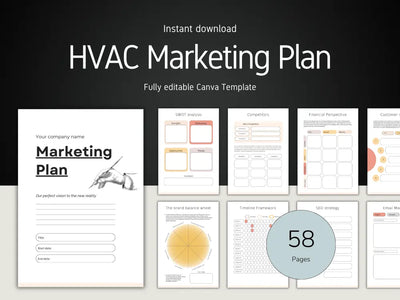
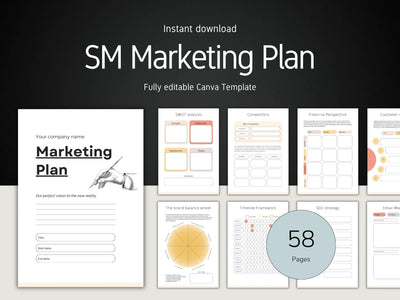
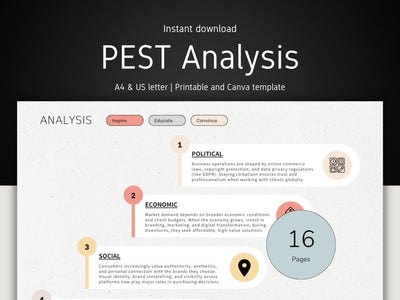
Check out our products
Online marketplaces like Etsy and Gumroad offer a ready-made audience and handle many of the technical sides of selling for you, things like email logistics, for example. While they can be a good starting point for people just getting into selling, they often come with high fees, limited shop customization, and intense competition.
On the other hand, building your own website using ready-made tools like WordPress or Shopify gives you full control over your brand, the customer experience, and your products. While this approach takes considerably more effort upfront, it also offers more long-term benefits, such as higher profit margins and no extra platform fees.
The list of alternatives below was put together with a balance in mind between "ease of setup" and "organic reach", the exact factor that originally drew so many sellers to Etsy in the first place. Some platforms offer a smooth, hassle-free setup but lack a steady stream of built-in customer traffic. Others deliver impressive reach, but come with more complex management and higher fees.
Why change Etsy to something else?
For a lot of people, Etsy is still a safe, comfortable place to sell without much hassle. For others, the platform feels like it's drifted further and further from its original community-focused roots.
In late 2025, Etsy announced a major leadership change. CEO Josh Silverman stepped down and moved into the role of Executive Chair, while Kruti Patel Goyal, previously the company's chief growth officer, took over as the new CEO, effective January 1, 2026. The announcement came alongside the company's third-quarter earnings report and sparked plenty of discussion among sellers about whether Etsy still meets their needs going forward.
Rising fees and transaction costs, fierce competition, algorithm changes, and growing restrictions on digital product creators have pushed a lot of sellers to start looking at alternatives. And honestly, that's not surprising, it's better to find a platform that actually fits your business and lets you grow, rather than fighting an uphill battle on one that doesn't.
Is looking for Etsy alternatives necessary?
If your primary goal is to scale your business and maximize sales, diversifying beyond a single marketplace is essential. Relying on one platform limits your reach to a single audience and leaves your revenue entirely vulnerable to that platform's algorithm changes, fee hikes, or policy shifts.
What to look for in an Etsy alternative
There are a few key things worth considering. The most important? Ease of use and full control over your shop. It’s great if the platform lets you start selling quickly, even if you’re not a tech expert, but at the same time doesn’t limit you when it comes to setting prices, listings, or the overall look of your products.
Another thing to pay attention to is fees and payouts. The differences can be significant, so it’s worth comparing commissions, listing costs, and available payment methods. There’s no point in being surprised by unexpected charges.
The ability to customize your shop also matters. You should be able to truly build your brand, from the design of your storefront and color schemes to fonts and how your products are presented. A good Etsy alternative should also allow you to sell different types of products: handmade items, digital downloads, and even artwork.
And finally, reach and marketing support. The more users a platform has and the better promotional tools it offers, the easier it will be for you to reach new customers and grow your sales.
Top 20 Etsy alternatives for sellers in 2026
This list was curated based on the essential criteria discussed earlier: ease of use, fee transparency, brand control, and organic reach. Each platform was evaluated on its ability to offer a sustainable environment where creators can build their business without the volatility of a single-channel marketplace.
1. Shopify
Out of all the platforms on this list, Shopify stands out as the clear number one choice for any seller serious about long-term growth. While marketplaces are great for getting started, Shopify offers something they cannot: complete, unrestricted control over your business.
On Etsy, you are just one shop in a crowded bazaar. With Shopify, you own your own corner of the internet. You have full command over your branding, design, Shopify SEO, customer data, and the entire shopping experience. It isn’t just a place to list items; it is a professional-grade command center where you manage payments, shipping, marketing, and inventory from one dashboard.
| Feature | Shopify | Etsy |
| Subscription fees | $39, $105, or $399 per month (billed monthly) | Free or $10 per month (Etsy Plus) |
| Other fees | Transaction fees (0–2% depending on payment gateway), credit card processing fees, optional app fees | Listing fees ($0.20 per item), transaction fees (6.5% of sale), payment processing fees (3–4%), advertising fees optional |
| Customer Support | 24/7 via live chat, phone, and email | Primarily email support; live chat available for limited topics |
| Shop customization | Full drag-and-drop customization; themes and apps available | Limited customization; basic banner and logo changes |
| Standard policies/templates | Yes: returns, shipping, privacy templates available | Yes: shipping, returns, and other policy templates provided |
Because you aren't fighting for visibility alongside thousands of competitors or dealing with sudden algorithm shifts, you can build a genuine, lasting connection with your customers. For those looking to evolve from a "side hustle" into a sustainable brand, the independence and scalability Shopify provides make it the undisputed leader in e-commerce.

2. Creative Market
“Anything that’s useful for you, that you’ve created, will likely be useful for other people.” - Aaron Epstein, co‑founder of Creative Market
If you create digital products and want to reach a huge audience, Creative Market is an easy choice. Unlike building a store from scratch, here you tap into a community already searching for graphics, templates, fonts, mockups and more. You bring the work; people are already there looking.
Getting set up doesn’t take much: upload your products, set your prices, and you’re live. The process feels straightforward, even if you’ve never sold online before. The platform gives you simple tools for tracking sales, handling downloads, and communicating with buyers.
It’s perfect if you’d rather spend your time creating than building a store. Once your assets are listed, they can sell continuously. That said: you’re in a marketplace where many sellers compete, and you don’t have full control over branding or shop visuals. But if speed, ease and reach matter most, Creative Market delivers.
| Feature | Creative Market | Etsy |
| Subscription fees | Free to start; 30% commission per sale | Free or $10/month (Etsy Plus) |
| Other fees | 30% marketplace commission; payment processing fees included | Listing fees ($0.20 per item), transaction fees (6.5%), payment processing (3–4%), optional ad fees |
| Customer Support | Email support; help center and seller guides | Primarily email support; limited live chat |
| Shop customization | Limited - product pages only | Limited - basic banner and logo changes |
| Standard policies/templates | Yes - digital product guidelines and templates | Yes - shipping, returns, and other policy templates |
3. RedBubble
If you’re an artist or dabble in print-on-demand, Redbubble takes a lot off your plate. Forget about dealing with inventory, production headaches, or shipping logistics. You just upload your art, pick your margins, and Redbubble does the rest: printing, packing, and sending your work out to people all over the world.
“Art should be shared, not stored away.” - Redbubble philosophy
CraftedCharts actually began its journey on Redbubble back in 2019. It was a great starting point for testing designs, but as the brand evolved to focus on comprehensive business templates, the need for more specialized functionality grew.
While you do trade off some control over branding and the customer experience, Redbubble remains a powerhouse for artists who want to focus entirely on creation without worrying about inventory or fulfillment. It is one of the easiest ways to start selling, though it may be better suited for visual art than for complex digital business resources.
Pros of RedBubble ✅
-
No inventory or shipping: Redbubble handles everything;
-
Global audience: Instant exposure to millions of buyers;
-
Quick setup: Upload designs and start selling fast.
Cons of RedBubble ❌
-
Limited branding: Little control over shop look or customer experience;
-
High competition: Many artists selling similar products;
-
Lower profit margins: Base prices limit earnings per sale.
4. Gumroad & Payhip
If you’re a digital creator or just someone who wants to sell downloads, Gumroad and Payhip make things easy. You can sell PDFs, courses, templates, printables, pretty much any digital product without messing around with a complicated online shop.
Upload your file, put a price on it, and you’re ready to go. What really stands out is how simple and direct it feels. Instead of getting lost in a massive marketplace like Etsy, you reach your customers directly. The fees are low, and both platforms help you deliver files securely, manage subscriptions, and even sort out EU VAT for digital sales (which, honestly, saves you a headache).
If you’d rather spend your time creating instead of fussing over store management, Gumroad and Payhip just work. They’re no-frills, easy to use, and let you keep more of what you earn. Perfect for anyone who wants to sell digital products without all the extra hassle.
5. Amazon (Seller Central/Handmade)
With over 2.8 billion monthly visits, Amazon is the titan of e-commerce. You can sell alongside standard products or join the "Amazon Handmade" category to reach a more curated audience.
6. eBay
A veteran in the space with roughly 620 million monthly visits. It remains a powerful platform for handmade goods, vintage finds, and print-on-demand products.
7. Walmart Marketplace
Highly underrated, Walmart.com receives over 500 million visits per month. It is currently less competitive than Amazon and offers free account registration for independent sellers.
8. Mercari
Known primarily for second-hand goods, Mercari features a robust section for arts, crafts, and vintage items, boasting over 140 million monthly visits.
9. TikTok Shop:
With 3 billion monthly visits, this is a massive opportunity. It functions as a standalone marketplace where you can list products directly, independent of your video content strategy.
10. Google Shopping
You don’t need to be on a specific marketplace to reach the world’s largest search engine. By connecting your own website (via Shopify or other platforms) to Google Merchant Center, you can list your items for free in Google’s "Shopping" tab.
11. Go Imagine:
A marketplace strictly for handmade sellers. They explicitly prohibit drop-shipping and print-on-demand, making it an ideal "safe haven" for true artisans.
12. Folksy
A UK-based marketplace that focuses on handmade and artistic goods. It is an excellent choice for UK-based creators looking for a dedicated local customer base.
13. Uncommon Goods:
This platform focuses on creative, high-quality gifts. It sees massive seasonal spikes in traffic (reaching up to 30 million monthly visitors during the holidays).
14. Artisans Cooperative
A smaller, community-focused marketplace for handmade goods with very low competition and no listing fees.
15. Pixels
A leader in the art world, specializing in print-on-demand. It integrates with Shopify and is perfect for artists looking to put their work on physical merchandise.
16. Bonanza
Often compared to eBay, Bonanza is known for being exceptionally seller-focused with great support for entrepreneurs.
17. Store Envy
A social e-commerce marketplace for indie brands, providing great engagement and a dedicated category for gifts.
18. Ecrater
A platform that allows you to build your own online store for free. They actively run ads to drive traffic to your listings.
19. Lucas Gift
A smaller site well-suited for leather and engraved products.
20. Faire
Specifically designed for wholesale. If you want to sell to retail business owners who buy in bulk for their own brick-and-mortar stores, this is the premier platform.
Finding your perfect Etsy alternative
At the end of the day, there is no "one-size-fits-all" solution for your business. The best Etsy alternative for you depends entirely on your specific goals, your product type, and how much control you want over your brand. While Shopify stands out as the top choice for those seeking total independence and long-term scalability, your personal priorities might point you elsewhere.
For some, the massive built-in traffic of Amazon or Walmart is the ultimate goal, while others may prefer the specialized communities of Go Imagine or Creative Market. Use this list as a starting point, explore the platforms that align with your unique needs, and remember that diversifying your sales channels isn't just about moving away from Etsy; it's about building a more resilient and profitable future for your business.


